01 · Leadership
Women’s Leadership & Advocacy
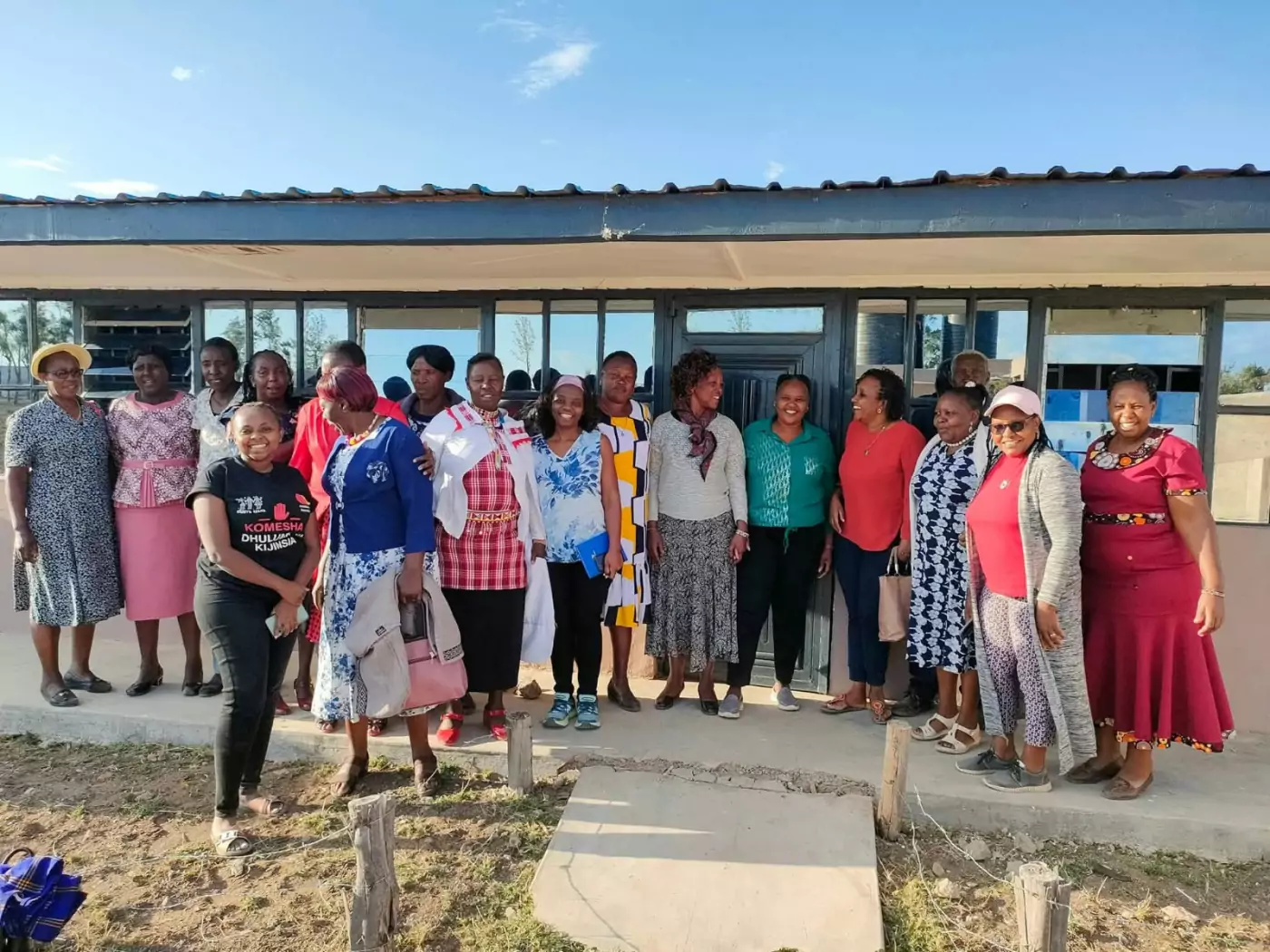
Strengthening women’s voices and participation in governance, public planning, advocacy and resource allocation.
Our work
Our work covers six connected areas. Women’s leadership, rights, livelihoods, health and environmental resilience are interconnected — so our programmes reinforce one another.
01 · Leadership
Strengthening women’s voices and participation in governance, public planning, advocacy and resource allocation.

02 · Rights
Supporting women, widows and orphans to understand and protect their lawful rights through community action, awareness and appropriate referrals.
03 · Climate resilience
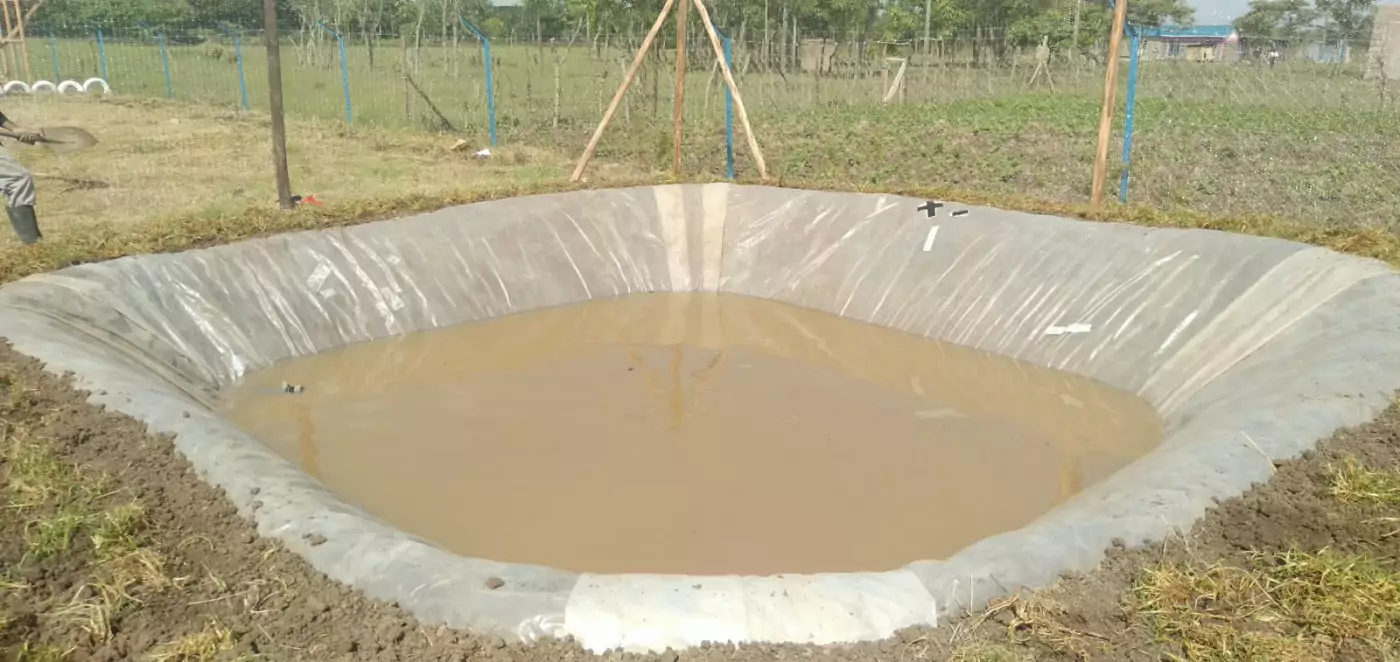
Promoting water harvesting, organic farming, household food gardens, water recycling and efficient irrigation systems.
04 · Clean energy
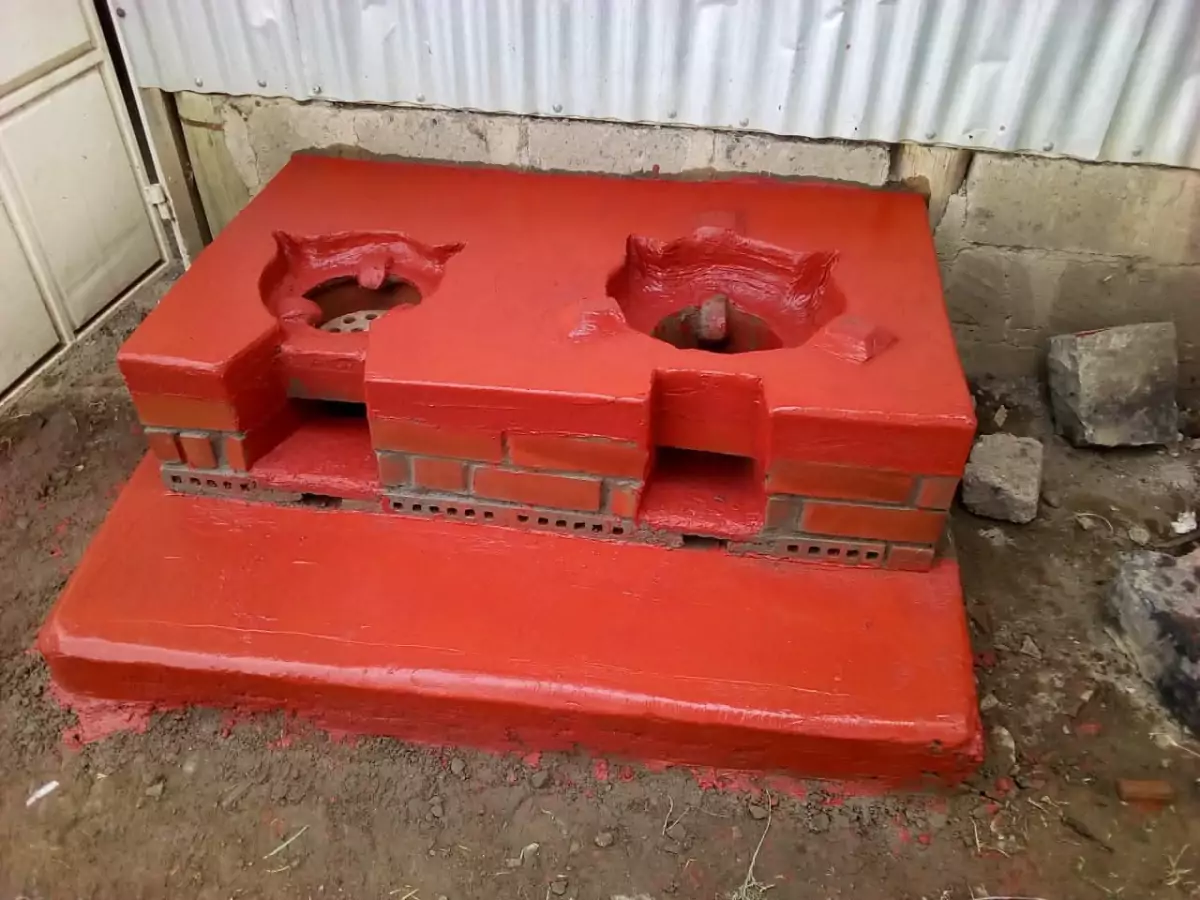
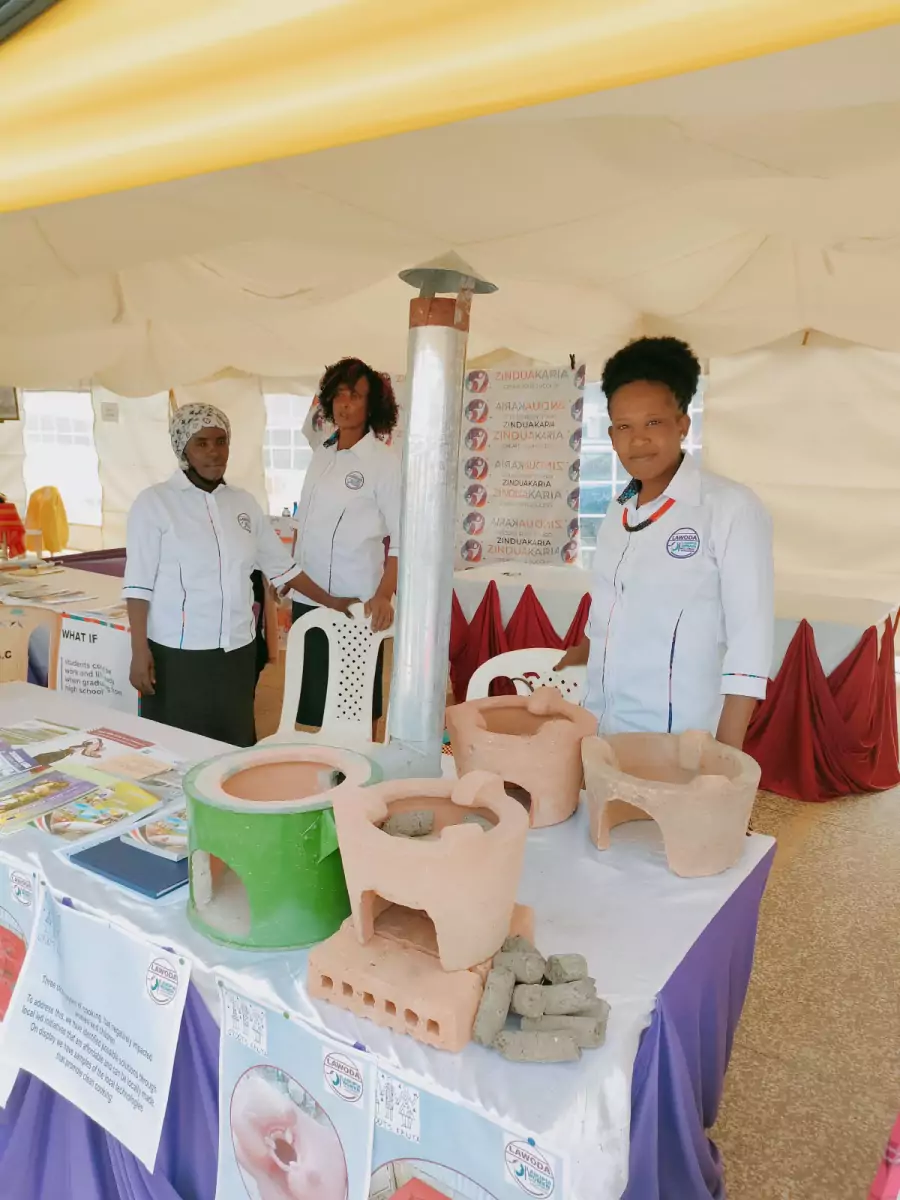
Advancing appropriate clean cooking technologies while equipping women with artisan and enterprise skills to generate income.

05 · Health & protection
Promoting women’s wellbeing, preventing gender-based violence, engaging men and community leaders, and challenging harmful practices.
06 · Livelihoods
Supporting women-led enterprises, practical skills development, savings initiatives and sustainable livelihood opportunities.
Our integrated community empowerment model
At the centre is community-led empowerment: women, girls and marginalised groups identify priorities, organise, lead and shape local solutions.
Women, girls and marginalised groups identify priorities, organise, lead and shape local solutions.
Leadership, public participation, advocacy, land rights and inheritance protection.
Food security, organic farming, water harvesting, recycling and drip irrigation.
Clean cooking, women artisans, green enterprises and livelihood development.
GBV prevention, women’s health, male engagement and positive social norms.
Greater equality, secure rights, stronger livelihoods, healthier households and resilient communities.
How the model works
We build the capacity of grassroots groups so they can sustain what they achieve.
Mobilise grassroots women, girls and marginalised groups into inclusive community groups and networks.
Provide practical training, leadership development, rights awareness and technical skills.
Support communities to advocate, innovate, solve shared problems and engage decision-makers.
Build partnerships with government, civil society, technical institutions, donors and responsible private-sector actors.
Document results, strengthen community ownership, develop viable local enterprises and replicate effective solutions.
Implementation strategy
Practical, community-owned solutions — delivered in ways that build grassroots groups’ capacity to sustain their achievements.
Working through women’s groups, youth networks, community-based organisations and local leadership structures to develop community-led solutions.
Equipping women to understand their rights, participate in public forums, engage decision-makers and advocate for fair access to services, land and resources.
Community learning on water harvesting, organic farming, efficient irrigation, household food production and clean cooking technologies.
Technical and business skills, collective economic models, and links for grassroots entrepreneurs to markets and potential financing.
Engaging men, boys, elders, local leaders and institutions to address discriminatory norms, share responsibility and prevent gender-based violence.
Strategic partnerships, measurable outcomes, documented community innovations, feedback, and transparent, accountable implementation.
Across all our work
Protecting the people we work with — especially children and vulnerable adults — comes before any activity, photo or story.
We aim to include women of all ages, women with disabilities, and those who are often left out of community processes.
We publish results only once they are verified, and we say clearly when something is still being measured.
Partners can work with us on a single theme or across our connected programme. Tell us what you have in mind.